Puzzles & Neuroscience
The Theoretical Basis of Learning
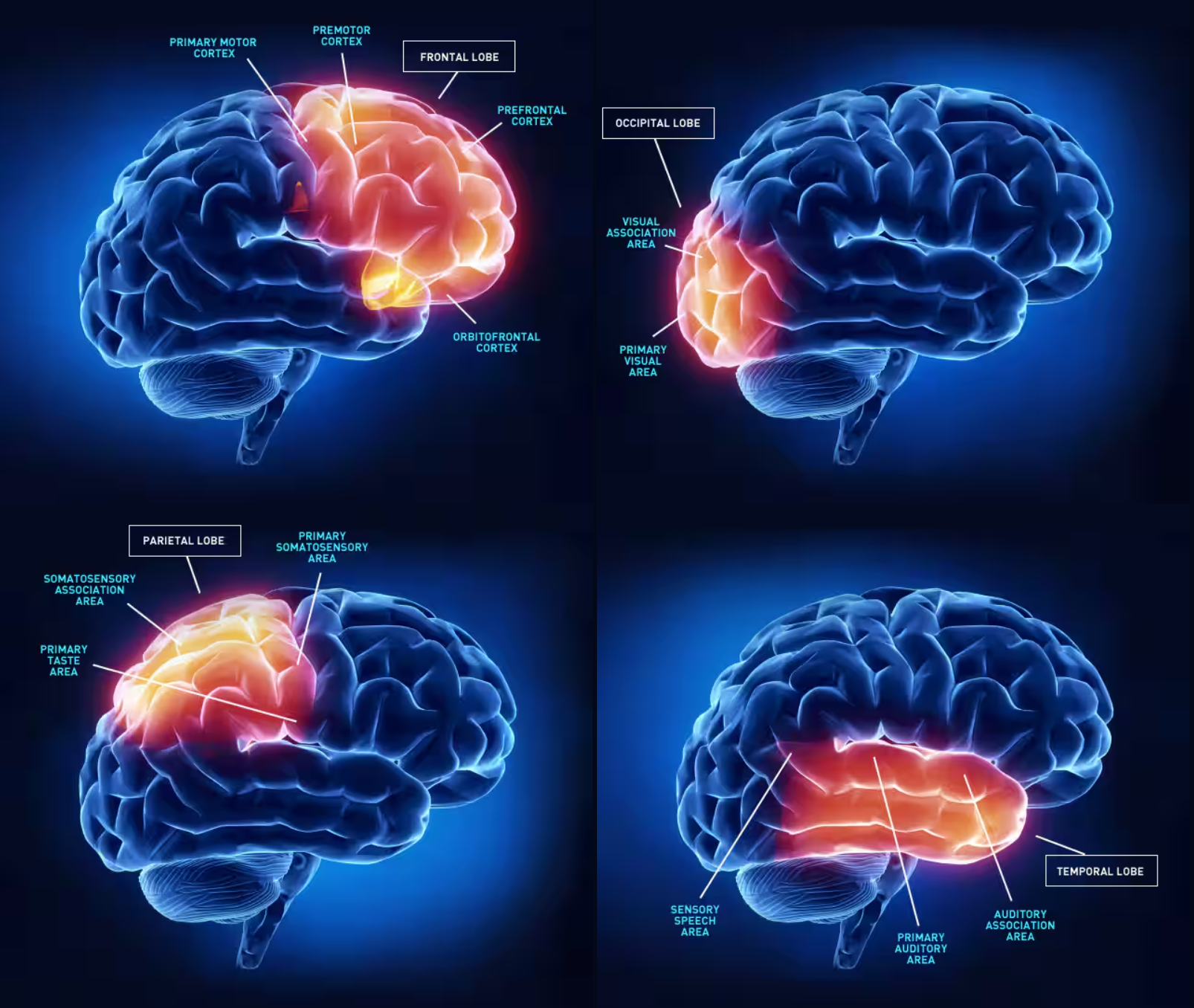
Puzzles are more than entertainment—they stimulate multiple brain regions at once, supporting learning and memory.
Research indicates that factual memory is primarily supported by the left hippocampus and the frontal lobe (prefrontal cortex), spatial memory by the right hippocampus and the parietal lobe, and visual information by the occipital lobe. When solving puzzles, all of these regions are co-activated, which enhances memory and attention.
It is also well established that linking information to spatial cues significantly improves memory. This aligns with the ancient “method of loci,” and modern neuroscience likewise shows that the brain’s spatial memory system plays a key role in forming long-term memories.
Visualization and Storytelling
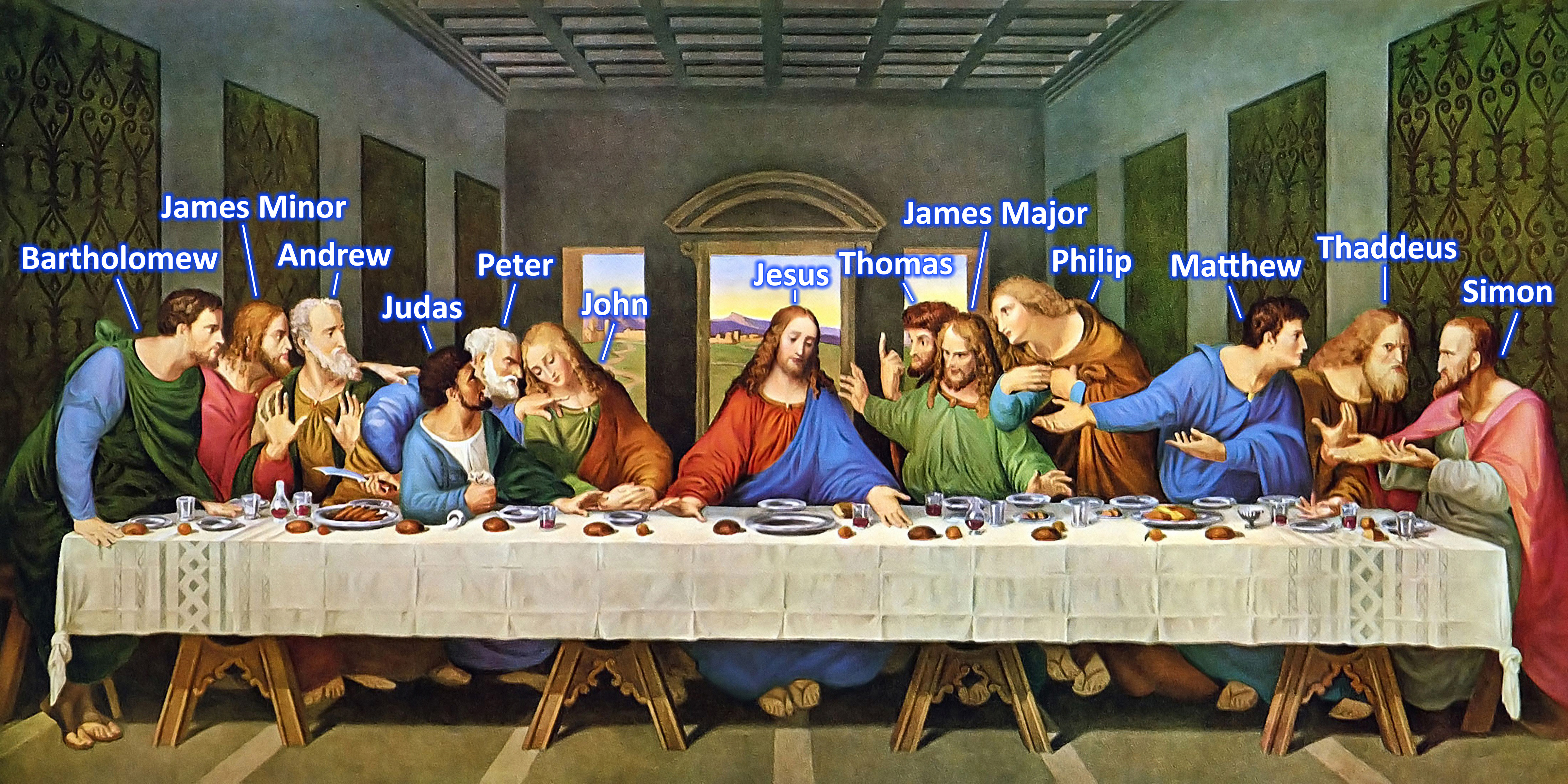
Another core feature of this puzzle site is the visualization of multiple pieces of information in a single image. Rather than listing facts, we compose images through storytelling that weaves diverse elements into one coherent narrative.
This approach draws inspiration from history painting. The tradition of compressing complex events into a single frame is reinterpreted for modern learning, restructuring content into clear, educationally meaningful visuals. As learners reconstruct the image as a puzzle, they move beyond simple recall to grasp knowledge within context and narrative.
References
- Smith, E. E., & Jonides, J. (1997). Working memory: A view from neuroimaging. Cognitive Psychology, 33(1), 5–42.
- Maguire, E. A., et al. (2000). Navigation-related structural change in the hippocampi of taxi drivers. PNAS, 97(8), 4398–4403.
- Draganski, B., et al. (2006). Temporal and spatial dynamics of brain structure changes during extensive learning. Journal of Neuroscience, 26(23), 6314–6317.
- What is history painting?
-
Source code — Dillo,
“Jigsaw puzzle.” CodePen, Pen QWKLYab. https://codepen.io/Dillo/pen/QWKLYab
This project references and modifies the code from Dillon, applying it to the learning-puzzle demo.